
Every October, we prepare for spooky surprises — creaky doors, eerie whispers, and shadows that move when no one’s there. But in the world of genomics, at any given time and for any given analysis, there’s another kind of haunting that can appear: the ghost in the pipeline — the incidental finding.
👻 Specters in the Genome
As you run samples routinely through your validated NGS pipeline, calling variants, filtering and annotating and generating clinical reports on primary findings, you may encounter a specter or two of incidental findings lurking in the sequenced variants for a sample. VarSeq offers some ghost busting tools, such as our gene panel filter and preloaded ACMG Secondary Finding genes list.
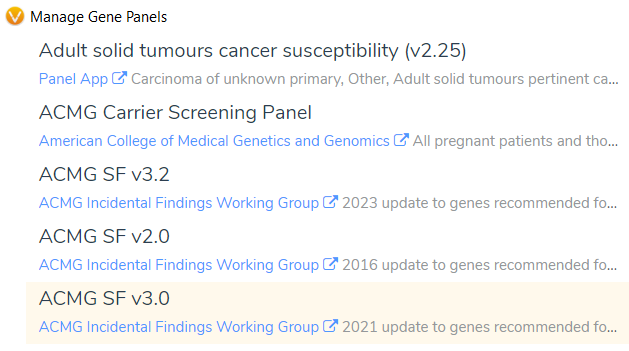
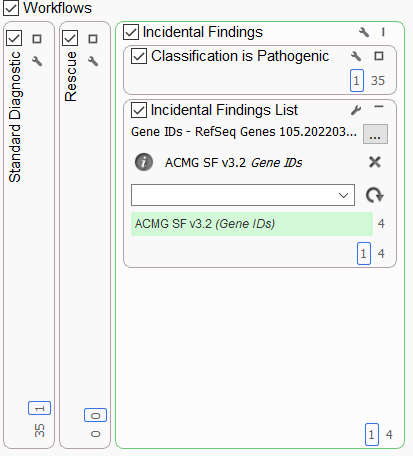
Setting up your filters to focus on Primary Findings with a Standard Diagnostic Workflow, but keeping a secondary filter arm to track incidental findings makes sure that you are not surprised when something unexpected materializes. In fact, we want to make sure any pathogenic variant that may be worth reporting pops out at you, even if it is not in the genes or diseases you were studying.
The Ethics of the Unseen
Incidental findings can be both illuminating and unsettling. On one hand, they can provide life-saving information — a haunting that comes with a warning. On the other, they raise difficult questions about consent, disclosure, and variant interpretation.
Should every ghost be revealed? Or should some remain undisturbed?
The American College of Medical Genetics and Genomics (ACMG) recommends reporting certain actionable incidental findings — pathogenic variants in the ACMG Secondary Findings gene list mentioned earlier. However, such investigative pipelines may encounter more compelling data than the guidelines can fully exorcise. The decision to disclose or not to disclose often gets made in the gray mist between policy, clinical relevance, and patient preference.
So how do you handle these ghosts in the NGS pipeline?
- Define your scope: Configure your workflow to limit analysis to medically relevant gene panels or clinical contexts.
- Set up filters wisely: Use annotation and classification thresholds to reduce the noise from benign or uncertain variants.
- Plan disclosure early: Establish clear procedures for how incidental findings are communicated, so you’re not caught off guard when one floats by.
🎃 A Final Word from Beyond
Incidental findings remind us that data, like the supernatural, can be unpredictable. While NGS pipelines evolve to be more precise, you may continue to uncover variants that whisper secrets beyond your initial intent. Whether you choose to chase those ghosts or let them rest, it’s crucial to have the tools like VarSeq at your disposal to detect and report incidental findings, so you can approach them with a careful, validated plan of action.
Happy sequencing…. 🧛♂️