
When it comes to cervical cancer, early detection and timely analysis can literally be life-saving. Cervical cancer is the fourth most common cancer in women worldwide, with an estimated 660,000 new cases and around 350,000 deaths each year. Early detection through screening and quick diagnostic support drastically improves outcomes because, when caught early, cervical cancer is among the most preventable and treatable cancers.
Yet in many labs, the slowest part of that process isn’t sequencing. Its interpretation and reporting. Analysts often find themselves repeating the same steps over and over: searching for evidence on familiar variants, double-checking QC metrics, and rewriting similar report language from case to case. Those repetitive tasks introduce inconsistencies, increase error risk, and quietly extend turnaround times for cases that could otherwise move rapidly to clinical decision-making. This is where VarSeq can come into play to expedite reporting turnaround. Read on to learn more!
Start by Standardizing How Cases are Reviewed
One of the simplest ways to save time is to make sure every cervical cancer case starts from the same place. With VarSeq project templates, labs can standardize filtering strategies, prioritization logic, and QC expectations upfront.
Instead of analysts debating how variants should be triaged or which filters to apply, the workflow is already defined as a template ready to receive a VCF. This reduces variability between users, shortens review discussions, and keeps everyone aligned, especially important as teams grow or new analysts come on board.
Let Automation Handle the Busy Work
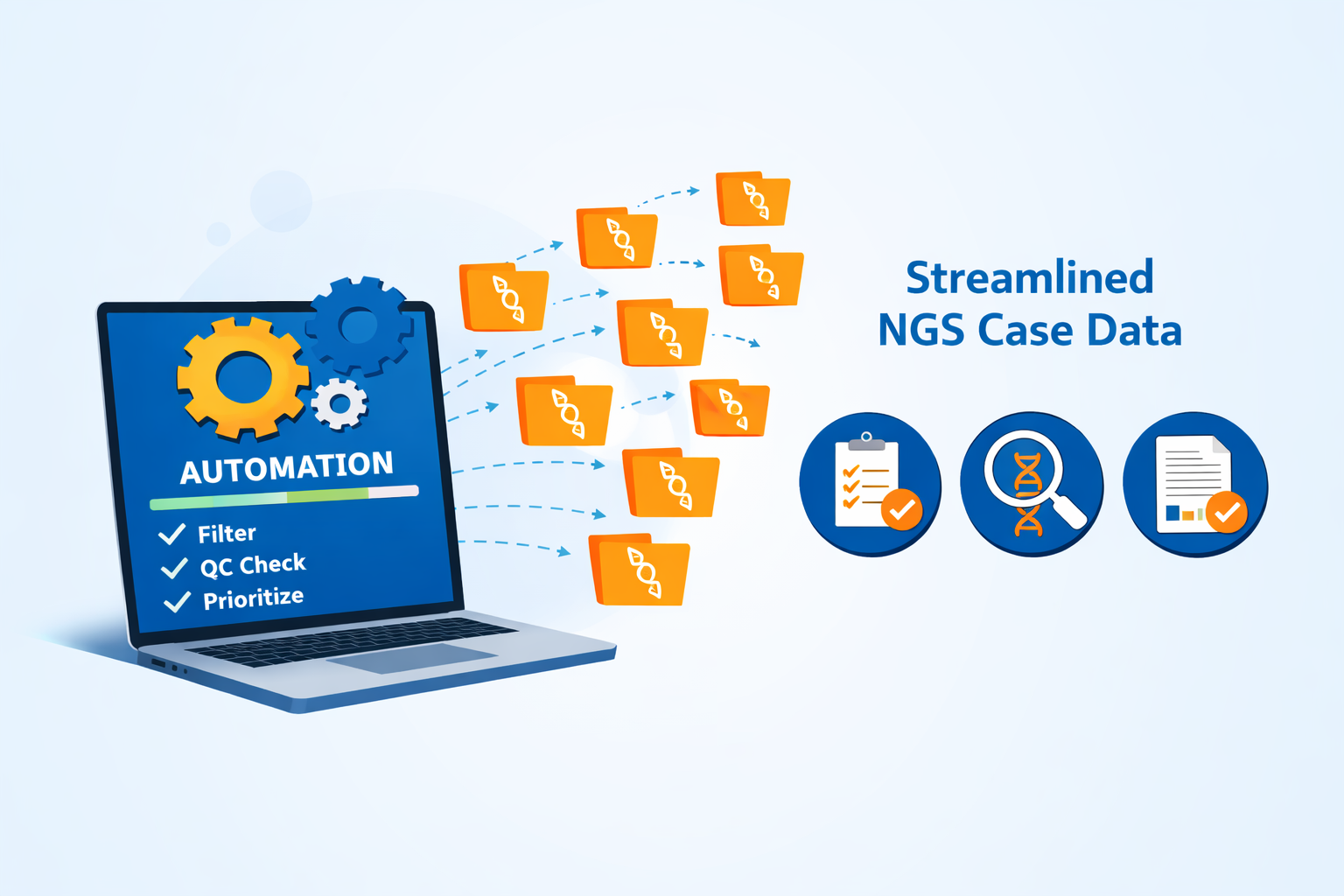
Manual steps may seem small in isolation, but they add up quickly across dozens of samples. VarSeq’s VSPipeline allows labs to automate filtering, prioritization, and quality checks so each case is processed consistently with minimal hands-on effort.
Automation doesn’t just save time! It reduces the chance of mistakes that lead to rework later. Fewer manual clicks mean fewer opportunities to miss a step or apply the wrong filter. Our FAS Team gives a great breakdown of Automation capabilities at this link. On the reporting side, the Assessment Catalogs, like the Sample Catalogs, can automatically populate sample-level information, removing another source of manual entry and review.
Stop Re-Analyzing the Same Variants!
Cervical cancer workflows tend to surface many recurring variants. Reinterpreting them from scratch every time is inefficient and unnecessary. With Assessment Catalogs, labs can capture and reuse their hard-earned knowledge. Previously curated interpretations can be stored, searched, and reused for future cases. Over time, this becomes a living internal library of “known variants” specific to cervical cancer and somatic analysis. For more information, see a great Webcast on Assessment Catalogs here!
By leveraging the Assessment Catalogs, standardized interpretation language can be reused. This helps reports stay consistent and significantly reduces the time spent drafting and revising text.
Make Reporting a One-Pass Process
Reporting is often where turnaround time stretches the most, especially when analysts are manually pulling clinical evidence and rewriting interpretation text. VarSeq helps streamline this step with reporting templates that structure review outputs in a report-ready format from the start.

When paired with Golden Helix CancerKB, clinical-grade interpretations are brought directly into the analysis by automatically populating gene summaries, biomarker context, and therapy information. Together, this reduces manual evidence hunting, keeps language consistent, and allows reports to move from review to finalization in a single, efficient pass.
Ready to streamline your cervical cancer workflows?
If VarSeq sounds like it could be a good fit for your lab, or if you’d like to explore how these tools could reduce turnaround time in your own analyses, we’d love to hear from you. Reach out to us at [email protected] to start the conversation.