Brain cancer remains one of the most difficult malignancies to treat, which is largely explained by basic biology. The blood-brain barrier (BBB) blocks most systemic therapies from reaching tumor cells, and the molecular heterogeneity of brain tumors makes it hard to find treatment strategies that work broadly. However gene fusions are offering an opportunity to change that story.
Why Fusions Matter
A gene fusion occurs when two separate genes abnormally combine creating a hybrid protein that drives uncontrolled tumor growth. What makes fusions particularly powerful as therapeutic targets is their clonal nature, meaning they are present in every cancer cell unlike some mutations that appear in only a subset of tumor cells. That means therapies designed to disrupt fusion signaling have the potential to attack all tumor cells, not just a portion of cells.
Key Fusions to Look For in Brain Cancers
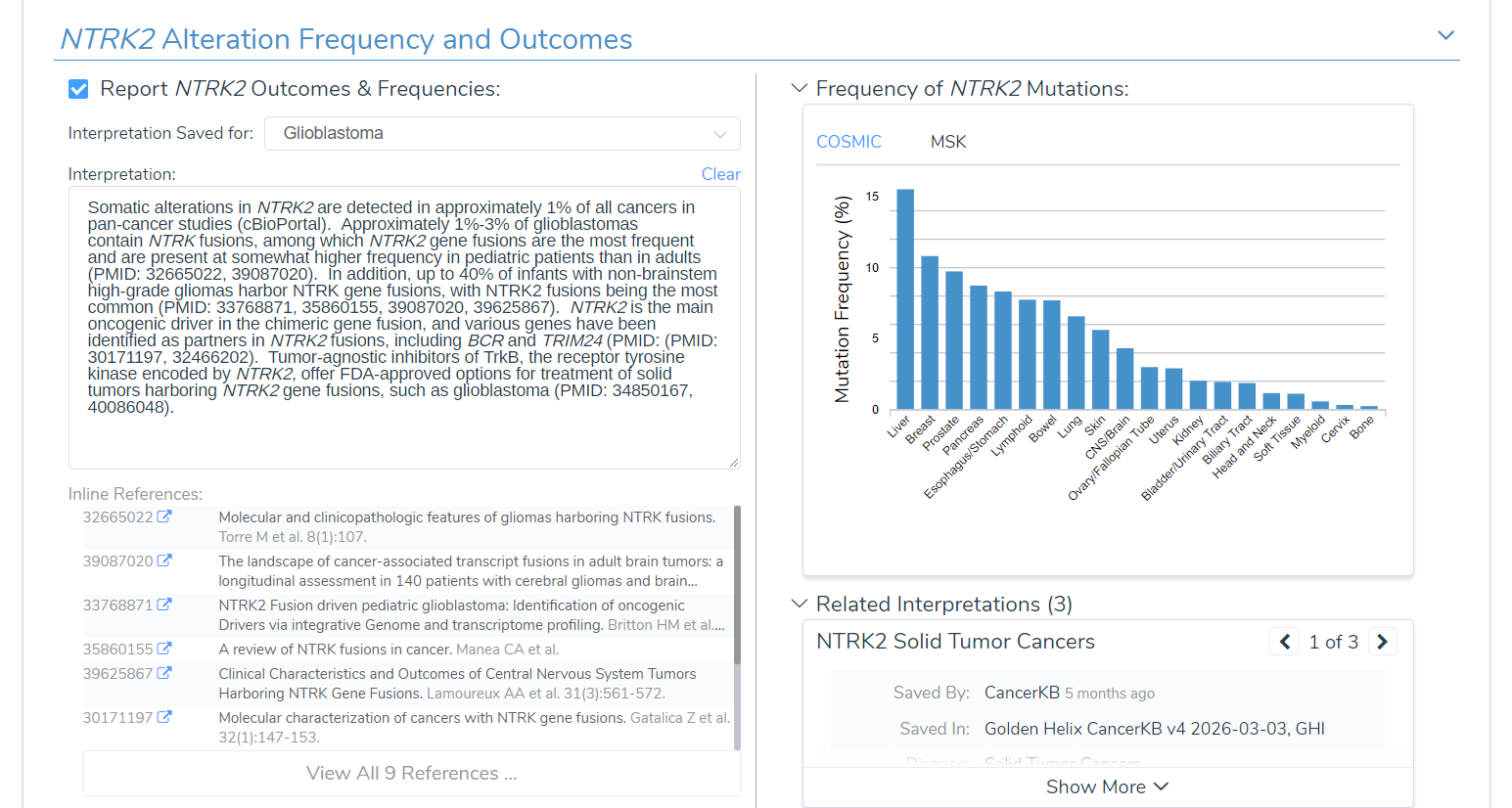
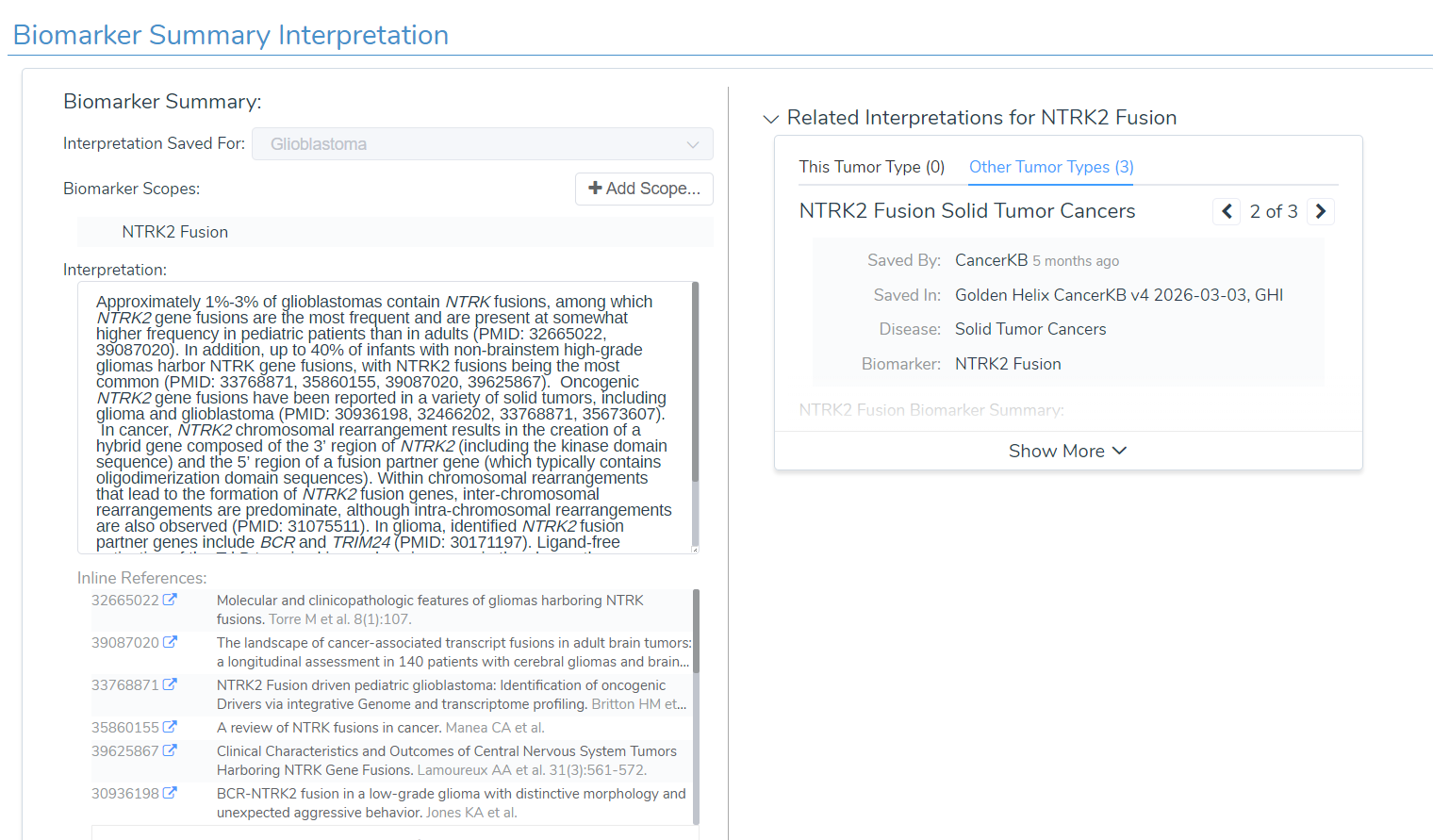
NTRK2 and NTRK3 fusions are among the most clinically important targets in neuro-oncology. While these fusions appear across many pediatric and adult tumor types, they are particularly relevant in glioblastoma and both high- and low-grade pediatric gliomas. The good news is that NTRK fusions are targetable with small molecule TRK inhibitors, they can be chemically engineered to evade the efflux pumps that guard the BBB. Brain-penetrant TKIs optimized for lipophilicity and poor P-glycoprotein recognition have demonstrated real activity in the brain, making NTRK fusions one of the clearest examples of how a fusion detection can directly unlock a viable treatment strategy.
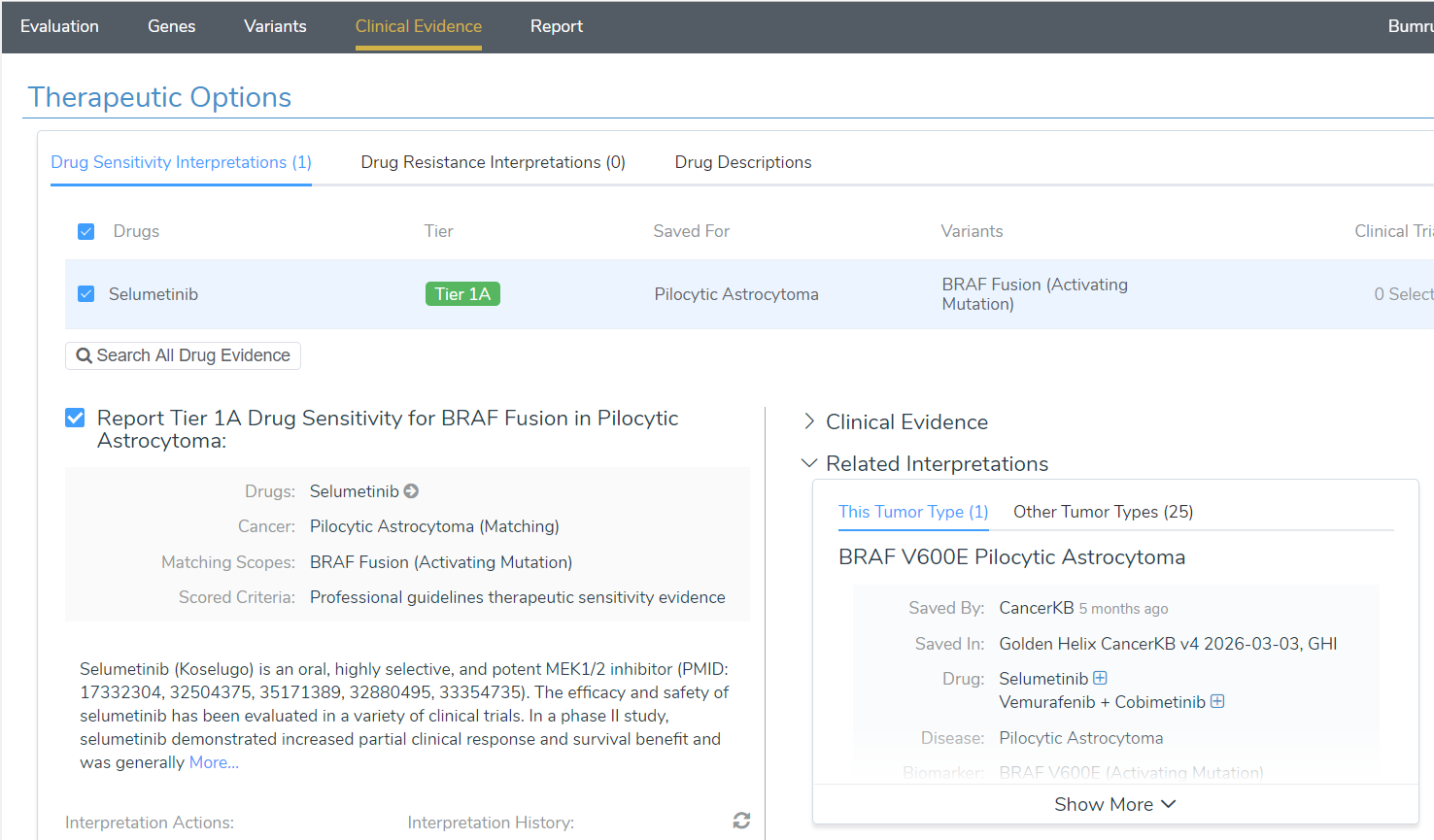
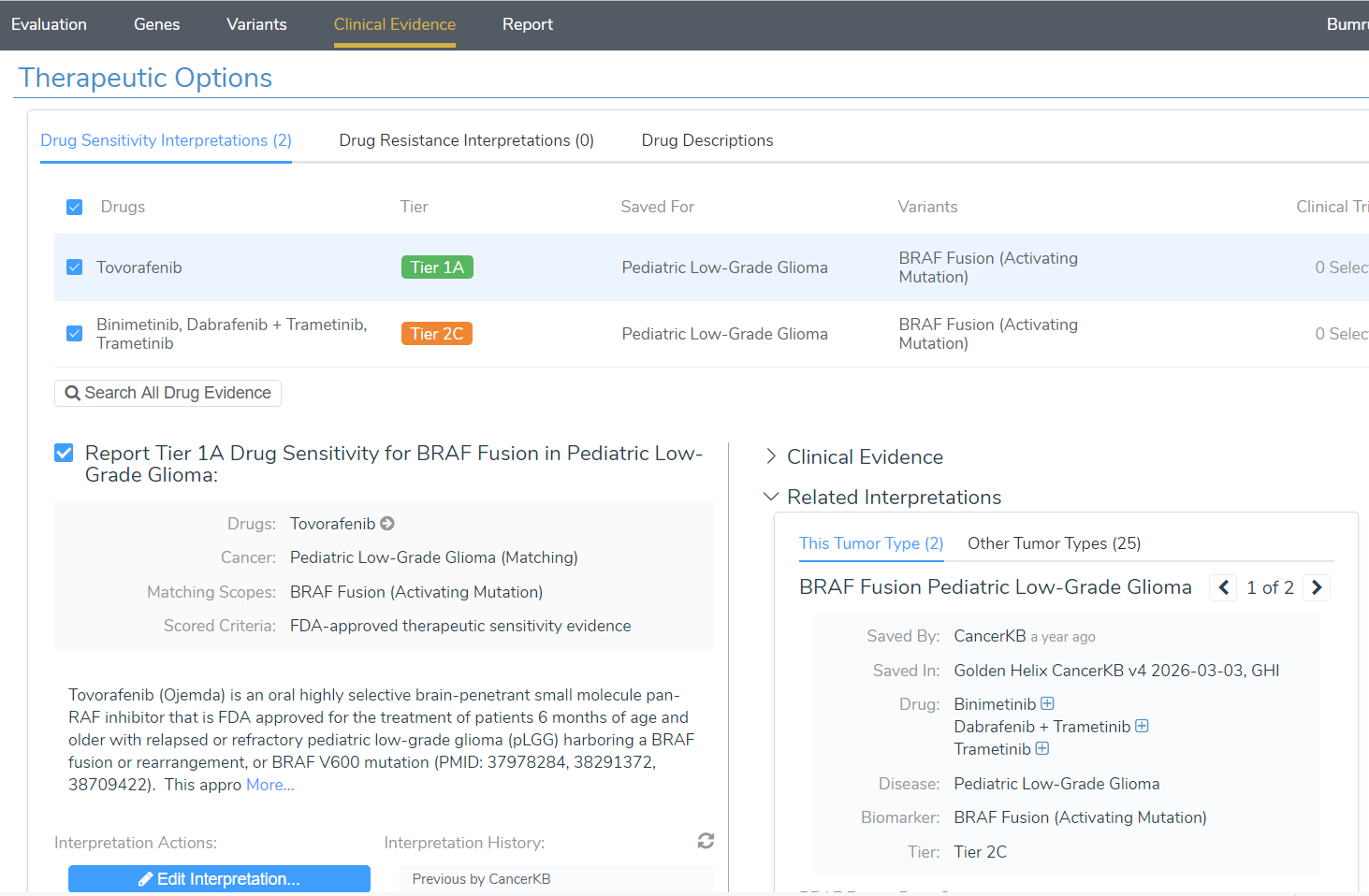
BRAF fusions are especially prominent in encapsulated gliomas, particularly pilocytic astrocytomas and pediatric low- and high-grade gliomas. In pediatric low-grade glioma cases, BRAF fusions are very prevalent occurring in more than 80% of cases. The most common alteration is the KIAA1549::BRAF fusion protein, a well-characterized driver that has become a cornerstone of molecular diagnostics in pediatric neuro-oncology. Depending on tumor type and clinical context, several targeted treatment options are now available for patients harboring BRAF fusions, making accurate detection essential to guiding therapy selection.
Fusion Detection and Analysis with VarSeq
Identifying fusions isn’t always straightforward. Fusions can involve novel or rare gene partners and span large genomic regions. VarSeq offers several different built-in workflows to call fusions and different data import strategies to support fusion analysis to make sure that known fusions like KIAA1549::BRAF and NTRK rearrangements can be evaluated for patients alongside novel events. VarSeq helps translate all sequencing data into actionable findings making sure the right therapies are offered to the patient.